
Click Smart – Stay Cyber Safe
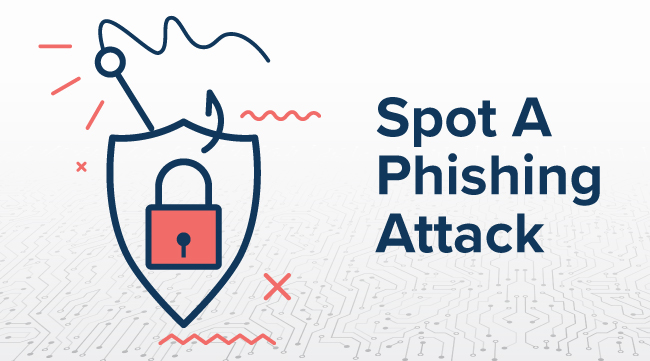
Spotting a Phishing Attempt
August 2026
You’ve probably heard the term “phishing,” but do you know what to actually look for? Scammers are getting craftier every year, sending emails, texts, and even phone calls that look like they’re from your bank, a delivery company, or even BEK. Their goal is simple: trick you into handing over personal information like passwords, account numbers, or your Social Security number.
The good news is that once you know what to look for, phishing attempts are often easier to spot than you’d think. Here are a few simple habits that can help keep you and your information safe:
Check the Sender
Before you do anything else, take a close look at who actually sent the message. Scammers often use email addresses that look almost right but aren’t quite. For example, a company name spelled slightly wrong, or extra letters and numbers tacked onto the end.
If a message claims to be from a company you trust, but the sender’s email address looks strange or unfamiliar, that’s your first warning sign.
Look for Red Flags
Phishing messages often share some common traits. Watch out for:
- Urgent or threatening language (“Your account will be suspended in 24 hours!")
- Poor spelling or awkward grammar
- Generic greetings like “Dear Customer” instead of your actual name
- Requests that pressure you to act immediately without thinking it through
Legitimate companies rarely create this kind of panic. If a message is rushing you to act fast, slow down instead.
Verify Links Before You Click
One of the easiest ways scammers catch people off guard is through links that look real but lead somewhere else entirely. Before clicking any link in an email or text, hover your mouse over it (without clicking) to see where it actually leads. On a phone, you can press and hold the link to preview the web address. If something looks off, or if you weren’t expecting the message in the first place, don’t click. When in doubt, go directly to the company’s website by typing the address yourself instead of clicking a link.
Never Share Personal Information
No matter how official a message looks, legitimate companies, like BEK, will never ask you to send your password, full account number, or any other personal information through email or text. If you receive a message asking for this kind of sensitive information, treat it as a red flag. When in doubt, contact the company directly using a phone number you know is correct, not one provided in the suspicious message.
Phishing attempts are getting more sophisticated, but a little caution goes a long way. Take a moment to check the sender, watch for warning signs, verify links before clicking, and never share personal information unless you’re certain who you’re talking to. When something feels off, trust that instinct. Your personal information is valuable. A few extra seconds of caution can save you a lot of trouble down the road.
More stories in this Issue

A Promise Kept
August 2026

Message from the CEO
August 2026

Behind the Board
August 2026

Help BEK TV Make History!
August 2026

Hidden Stories Among Us
August 2026

BEK TV Scores Another Touchdown
August 2026

Deadline Approaching!
August 2026
Click Smart – Stay Cyber Safe
August 2026
