
Click Smart – Stay Cyber Safe
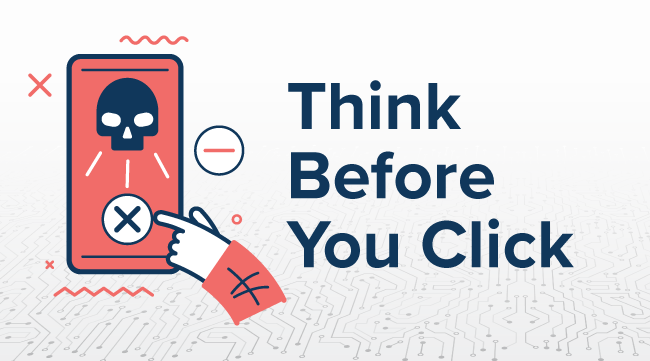
Tip: Think Before You Click
December 2026
Online scams are everywhere, and they’re getting harder to spot. A fake delivery notice, an “urgent” message from your bank, a too-good-to-be-true prize: scammers count on you clicking before you think. The good news? A few seconds of caution can save you a lot of trouble. Here’s how to be smart with your clicks.
Check the Source
Before you open a link or reply to a message, take a close look at who sent it. Scammers often use email addresses and phone numbers that look almost right, like a company name with one letter swapped or an extra word tacked on. If the sender is someone you don’t know, or the message feels off, trust your gut. Legitimate companies rarely contact you out of the blue asking for passwords, payment information, or personal details.
Hover Before You Click
On a computer, rest your mouse over a link (without clicking) to see where it really goes. The web address usually appears in the bottom corner of your screen. On a phone or tablet, press and hold the link to preview it. If the address doesn’t match the company it claims to be from, or it’s a long string of random letters and numbers, don’t click it.
Pause and Verify
Scammers love urgency: “Your account will be closed!” “Act now!” “Final notice!” These messages are designed to make you panic and act fast. Instead, slow down. If a message claims to be from your bank, a retailer, or a service provider, don’t use the links or phone numbers in the message. Go directly to the company’s official website or call the number on your bill or the back of your card to confirm whether the message is real.
Don’t Download from Unknown Sources
Attachments and downloads can hide viruses and malware that steal your information or lock up your device. Only download files, apps, and software from sources you know and trust, like official app stores and company websites. If you weren’t expecting an attachment, even from someone you know, check with them before opening it. Their account could have been hacked.
The best defense against online scams is a healthy dose of caution. When something seems suspicious, stop, look, and verify before you click. And don’t keep it to yourself: share these tips with family and friends, especially those who may be more vulnerable to scams, like older relatives and kids who are new to being online.
More stories in this Issue

“Remember Me”
December 2026

Message from the CEO
December 2026

Hidden Stories Among Us
December 2026

Investing Close to Home
December 2026

75 Years Strong
December 2026

80 New Reasons to Love Winter
December 2026
Click Smart – Stay Cyber Safe
December 2026
