
Click Smart – Stay Cyber Safe
Tip: Think Phishing is Just an Email Problem? Think Again!
January 2026
Most people are familiar with phishing emails, but a growing number of scams are happening through text messages. This new tactic, called smishing, uses fake SMS messages to trick you into sharing personal information, passwords, or financial details. As more of us rely on mobile phones for everyday life, cybercriminals are finding new ways to target unsuspecting people right in their text inbox.
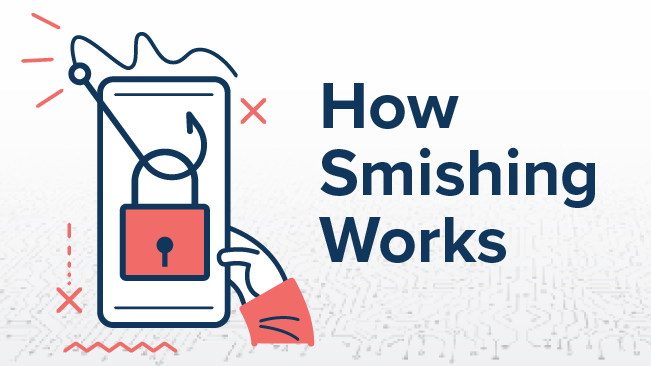
How Smishing Works
Smishing messages look like they come from trusted sources, such as:
- Banks or credit card companies
- Delivery services, like UPS or FedEx
- Government agencies or insurance providers
- Stores claiming you’ve won a prize or refund
These texts often create a sense of urgency. They may say your account has been locked, a package is delayed, or a payment needs to be updated. Then they ask you to click a link or reply immediately.
Common Red Flags to Watch For
If a text message includes any of the following, stop and think before responding:
- Urgent warnings or threats about an account or bill
- Links asking you to verify personal or financial information
- Requests for passwords, bank details, or Social Security numbers
- Messages from unfamiliar numbers claiming you won money or a gift
Even if the message looks real, stay cautious. Scammers are becoming more convincing every day.
How to Stay Safe
- You can prevent most smishing scams by taking a few simple steps:
- Don’t click suspicious links. Go directly to a company’s website by typing the address into your browser, not by using a link sent via text.
- Verify before responding. If something seems off, call the company using the number on their official website or the back of your card, not the one inside the text message.
- Enable spam or fraud filters. Block unknown senders and report suspicious texts through your phone’s settings or mobile carrier.
- Slow down and double-check. Urgency is part of the scam. Take a minute to think before tapping or replying.
Smishing scams are growing fast, and awareness is one of the most powerful defenses. Talk to family members, neighbors, and friends, especially those who may be less familiar with digital scams.
More stories in this Issue

Hidden Stories Among Us
January 2026

Message from the CEO
January 2026

Nominations Committee Chosen
January 2026

Behind the Board
January 2026

Sharing the Spirit of the Season
January 2026

FBI Warning
January 2026

Investing in the Future
January 2026

BEK Supports the Communities We Call Home
January 2026

Celebrating Local Businesses
January 2026
Click Smart – Stay Cyber Safe
January 2026
